
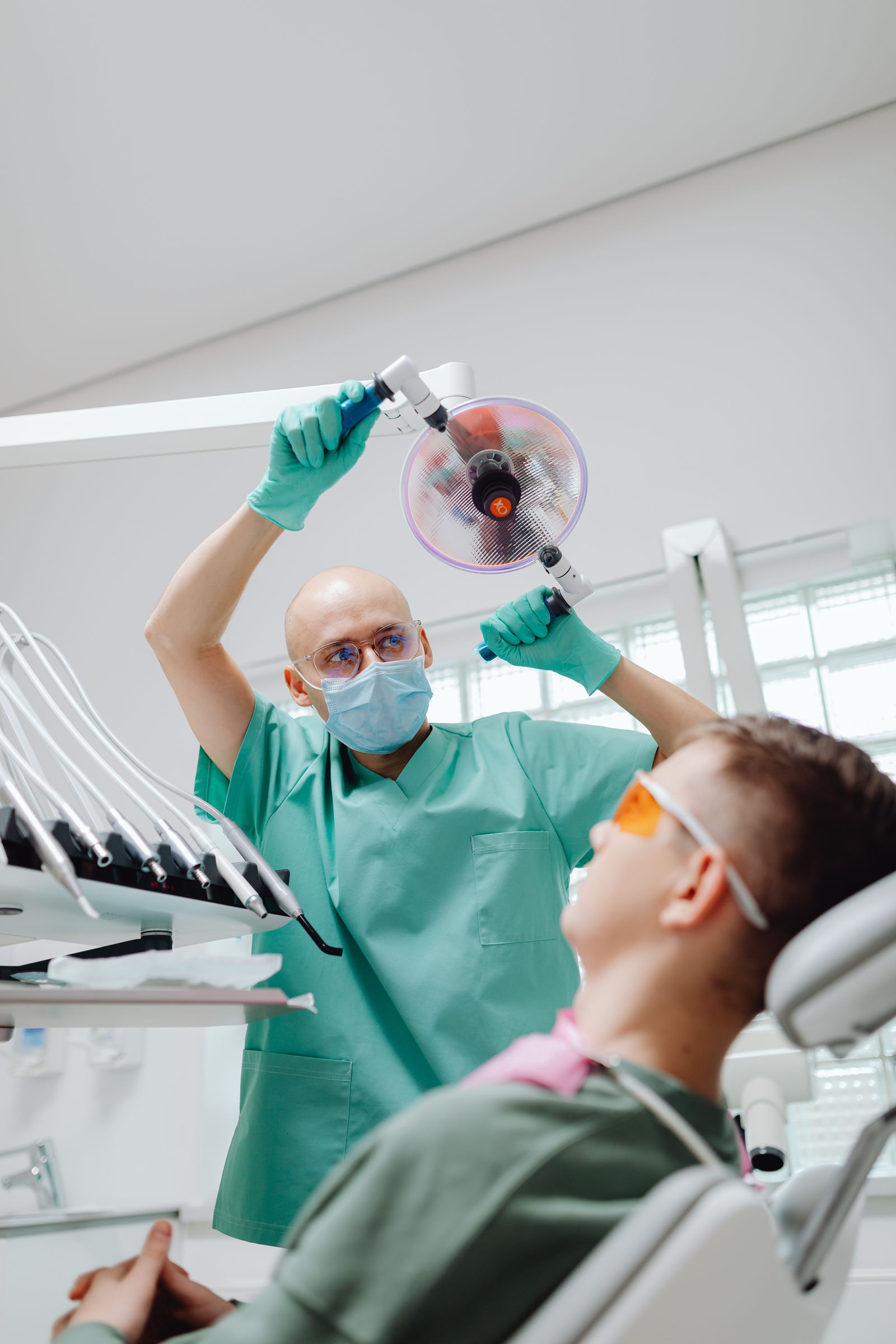
Some dental problems outgrow the dental chair. The wisdom tooth wedged sideways against its neighbour. The jaw joint that clicks, locks, and aches through every meal. The cyst discovered on a routine X-ray. Oral and maxillofacial surgery is where dentistry meets surgery — treating conditions of the teeth, jaws, and facial structures that need more than a filling ever could.
Not every wisdom tooth needs removal — but the ones that do rarely announce themselves politely. Impacted wisdom teeth trap food and bacteria against the neighbouring molar, cause crowding pressure, and can quietly decay the tooth beside them for years. We assess with panoramic imaging (and 3D scans where roots sit near the nerve), remove only what needs removing, and use surgical techniques that make recovery days shorter than the horror stories suggest.
The specialty covers far more: surgical placement of dental implants and the bone grafting that makes them possible; treatment of TMJ (jaw joint) disorders that cause clicking, locking, and chronic facial pain; removal and biopsy of cysts and oral pathology; management of dental trauma; and corrective procedures for jaw alignment issues that orthodontics alone can’t solve. Each starts the same way — precise imaging, clear diagnosis, and a treatment plan you understand before anything begins.
Most procedures are done under local anaesthesia, with sedation options for longer surgeries or anxious patients — a genuine option, not a luxury. Typical recovery after surgical extraction: two to three days of swelling managed with cold packs and prescribed medication, soft food for a few days, and detailed written aftercare so you know what’s normal and what warrants a call. Follow-up is scheduled, not optional.
Surgery in the mouth happens millimetres from nerves, sinuses, and structures you use every waking hour — planning is everything. Our oral surgeons work from panoramic and 3D imaging, operate with technique refined by volume, and coordinate directly with our restorative dentists and orthodontists when your case spans specialties. Honest triage included: teeth that can be saved are saved, and surgery is recommended only when it’s genuinely the best answer.


Whether it’s a wisdom tooth making threats, a jaw joint that’s stopped cooperating, or a finding on an X-ray that needs a specialist’s eye — book an oral surgery consultation at Dermax Medical Center in Dubai and get clarity before anything else.
No — fully erupted, well-positioned, cleanable wisdom teeth can stay for life. Removal is recommended for impaction, recurrent infection, decay risk to the neighbouring molar, or cyst formation. Imaging settles the question objectively, and we're happy to recommend keeping teeth that aren't causing trouble.
The procedure itself — not at all: local anaesthesia (plus sedation if you want it) covers it completely. Afterwards, expect swelling and soreness peaking around day two, controlled well with prescribed medication and cold packs. Most patients are comfortable by day three or four and fully recovered within a week.
Dry socket is when the healing blood clot dislodges from the extraction site, exposing bone — painful but treatable. Avoidance is mostly behavioural: no smoking, no straws, no vigorous rinsing for the first days. Follow the written aftercare we give you and your odds drop dramatically.
Yes — most jaw joint disorders improve substantially without surgery. Treatment ladders start with bite splints, muscle therapy, and habit modification, progress to injections (including Botox for muscular cases), and reserve surgical options for the small minority that need them. The key is proper diagnosis of whether the problem is muscle, joint, or bite.
Yes — beyond local anaesthesia we offer sedation options that keep you relaxed and largely unaware of the procedure while still breathing on your own. For anxious patients this transforms the experience, and telling us about anxiety upfront lets us plan the right level from the start.
Sometimes zero days — immediate placement at the time of extraction works well in selected cases. Otherwise, eight to twelve weeks of healing is typical, longer if grafting is needed. Planning extraction and implant together from the start preserves bone and usually shortens the total journey.

Dermax Medical Center, your premier destination for medical, health, and aesthetic care in Dubai
DermaX Medical Center © 2026 All Rights Reserved. | Made with ♥ by BAYREZ
WhatsApp us