
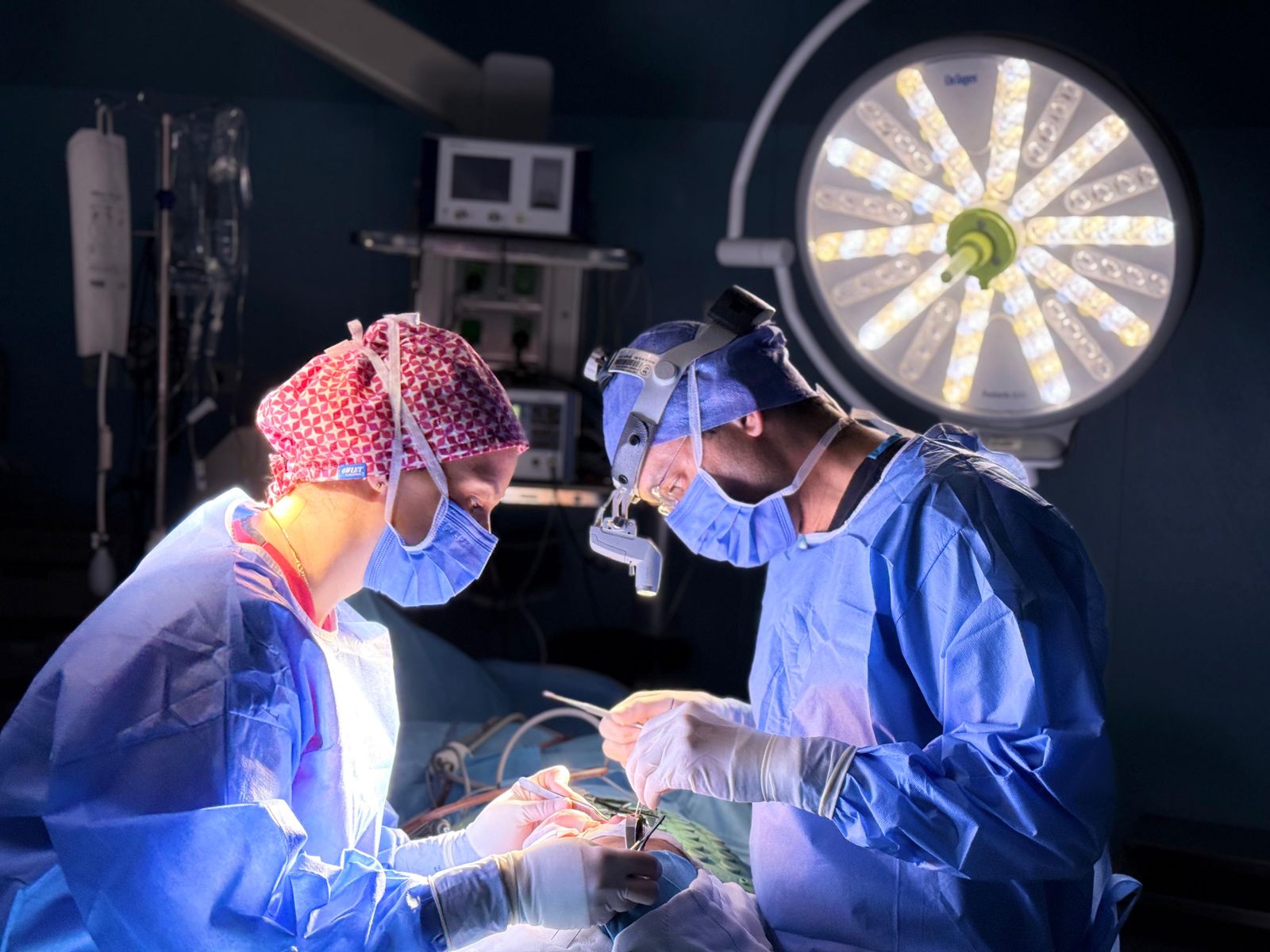
Plastic surgery began as reconstruction — restoring what injury, disease, or birth had taken — and that remains its most meaningful work. A scar that pulls every time you smile. A skin lesion the dermatologist says must come out. A wound that won’t close, or the aftermath of an accident. Reconstructive surgery restores both function and form, in that order, without treating either as optional.
No technique erases a scar — anyone promising invisibility is selling something. What scar revision genuinely does is transform bad scars into discreet ones: wide scars narrowed, raised scars flattened, tight scars released so they stop restricting movement, and poorly oriented scars redirected into natural skin creases where the eye slides past them. Technique depends on the scar’s type and history — surgical excision, geometric rearrangement (Z-plasty and its cousins), laser resurfacing, steroid injections for keloids, or several in sequence. Timing matters too: some scars are best revised early, others only after they’ve fully matured.
When a mole, cyst, or skin cancer needs removal, two things must happen at once: complete excision with clear margins, and a repair that respects the face or body part it sits on. Our surgeons remove lesions with oncological discipline — everything sent for histopathology — and close defects using techniques from fine direct closure to local flaps and grafts, planned along natural tension lines so the repair ages well. Function first, cosmetics immediately after, compromise on neither.
The same principles extend to post-traumatic repair, congenital differences, chronic wounds, and corrections after previous surgery elsewhere. Complex cases are planned jointly with our dermatology team — and where other specialties belong at the table, we bring them in rather than improvising around them.
Reconstructive surgery is judged twice — by the pathology report and by the mirror, and both verdicts matter. Our surgeons combine oncological thoroughness with aesthetic closure technique, send every excised lesion for histology as a rule rather than an option, and follow scars through their full maturation with revision-stage treatments when needed. Function restored, appearance respected, documentation complete.
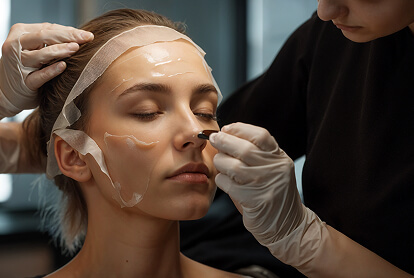

Whether it’s a scar you’ve stopped believing can improve, a lesion that needs proper removal, or reconstruction after injury — book a consultation at Dermax Medical Center in Dubai and get a clear surgical plan with honest expectations.
No — and it's the first honest thing to say about scar revision. What's achievable is dramatic improvement: narrower, flatter, paler scars repositioned into natural creases, and tight scars released so they stop pulling. Most patients rate good revision as transformative even though a fine line remains.
It depends on the scar. Some benefit from early intervention — silicone therapy, steroid injection, laser — while still maturing. Surgical revision usually waits until the scar has fully matured at six to twelve months, because operating on immature scars invites recurrence. An assessment tells you which timeline yours is on.
Keloids need combination therapy: excision alone regrows in a majority of cases, so we pair it with steroid injections, silicone, pressure, and sometimes laser in a staged programme. Recurrence risk never reaches zero, but structured combination treatment brings it down dramatically. We're upfront about the odds for your specific scar.
Every excised lesion goes to histopathology — no exceptions. Results return within days and determine everything after: clear margins mean routine follow-up; anything requiring wider excision or further treatment is planned immediately. You'll never be left wondering what the lump actually was.
Facial repairs are planned along natural tension and expression lines, using closure techniques sized to the defect — from fine sutures to local flaps that borrow adjacent skin with matching colour and texture. The immediate result includes visible healing; the mature result, months later, is typically a line most people never notice.
Often, yes — procedures restoring function or removing disease (lesion excision, scar contracture release, post-trauma repair) are generally covered, while purely cosmetic refinement is not. Many cases mix both. We document the medical necessity thoroughly and give you what your insurer needs to make the determination.

Dermax Medical Center, your premier destination for medical, health, and aesthetic care in Dubai
DermaX Medical Center © 2026 All Rights Reserved. | Made with ♥ by BAYREZ
WhatsApp us