Orthodontics has a reputation problem: people think it’s about straight teeth for photographs. Straight teeth are the visible dividend — but the real work is the bite. How your upper and lower teeth meet determines how forces travel through enamel, muscles, and jaw joints every time you chew, swallow, or clench. Get the bite right and teeth last longer, clean easier, and stop wearing themselves down.
Crowding — teeth overlapping for lack of space, creating cleaning traps that decay early. Spacing and gaps. Overbites and underbites that strain joints and wear front teeth. Crossbites that push the jaw sideways as it closes. Open bites that make biting into food awkward. Each pattern has its own mechanics, its own timeline, and its own best appliance — which is why treatment starts with records, not with choosing between metal and plastic.
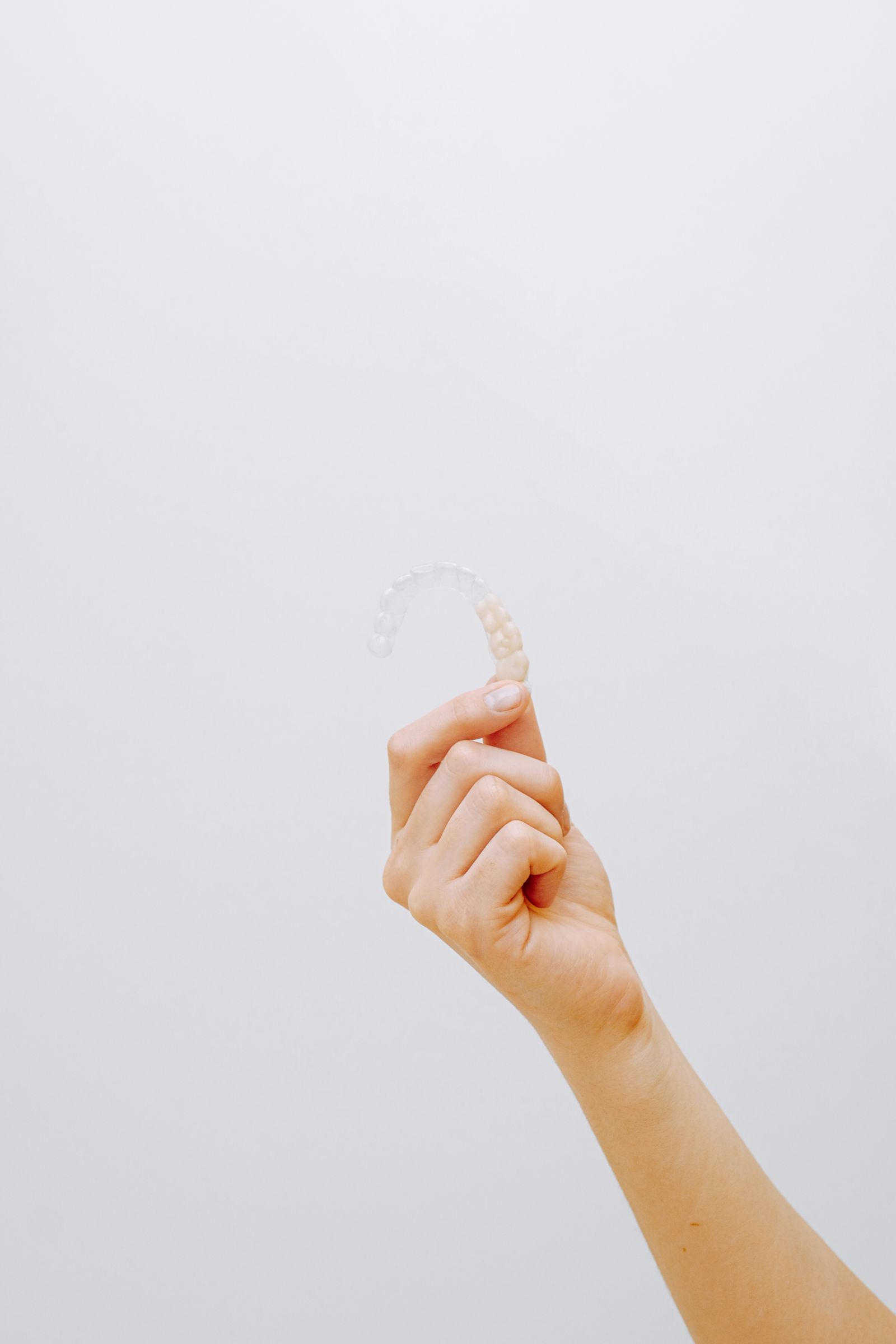
Every case begins with a digital scan, photographs, and X-rays. From these we simulate the correction — with aligner cases you’ll see the projected tooth movement in 3D before committing a dirham. Then the appliance question answers itself: clear aligners handle most mild-to-moderate corrections invisibly; fixed braces (metal or ceramic) remain the workhorses for complex rotations and large bite changes. Some cases combine both phases. Honest triage at the start beats optimistic promises that quietly extend by a year.
Adjustments come every four to six weeks for braces; aligner patients change trays at home every one to two weeks with periodic checks. Expect two to three days of pressure after each change — the feeling of teeth actually moving. Then the part patients underestimate: retention. Teeth drift back without retainers, so every case here ends with a fixed wire, a night guard-style retainer, or both. The retainer is the difference between a result and a memory.
Orthodontic treatment is a long partnership — typically a year or two of monthly decisions that compound. Our orthodontists plan on complete digital records, show you the simulated outcome before you commit, and personally see you at every visit rather than delegating adjustments. If your case is simpler than you feared — or genuinely needs braces despite your aligner hopes — you’ll hear it straight at the first consultation.

Whether you’re an adult who’s postponed this for a decade or a parent wondering about the right timing for your child, book an orthodontic assessment at Dermax Medical Center in Dubai — scan, diagnosis, and every option explained in one visit.
For mild to moderate crowding, spacing, and many bite issues — yes, equally effective when worn 20-22 hours daily. Complex rotations and large corrections still favour braces. Your scan decides which category you're in; we simulate the movement before you choose.
Simple alignment: 6-9 months. Typical cases: 12-18 months. Complex bite corrections: up to 24. Aligner timelines depend heavily on wear discipline — trays in a pocket move nothing. You'll get a projected timeline from your simulation, and monthly checks keep it honest.
No — healthy teeth move at any age. A third of orthodontic patients today are adults, and clear aligners have made treatment professionally invisible. Adult bone responds slightly slower, so timelines stretch a little, but the results are just as stable.
Age seven — early enough to catch jaw growth issues, crossbites, and habits like thumb-sucking while they're simple to redirect. Most children assessed early need nothing yet; the valuable minority get interception that turns a future major treatment into a minor one.
Pressure and tenderness for two to three days after each adjustment or new tray — the feeling of biology doing its job, manageable with soft food and ordinary painkillers. Persistent sharp pain is not normal and gets you an immediate appointment, not a wait.
Teeth remember. They drift back toward their original positions — slowly at first, visibly within months. Night-time retainer wear (or an invisible fixed wire behind the teeth) is the small permanent habit that protects one to two years of treatment. We fit retention as part of every case, not as an upsell.

Dermax Medical Center, your premier destination for medical, health, and aesthetic care in Dubai
DermaX Medical Center © 2026 All Rights Reserved. | Made with ♥ by BAYREZ
WhatsApp us