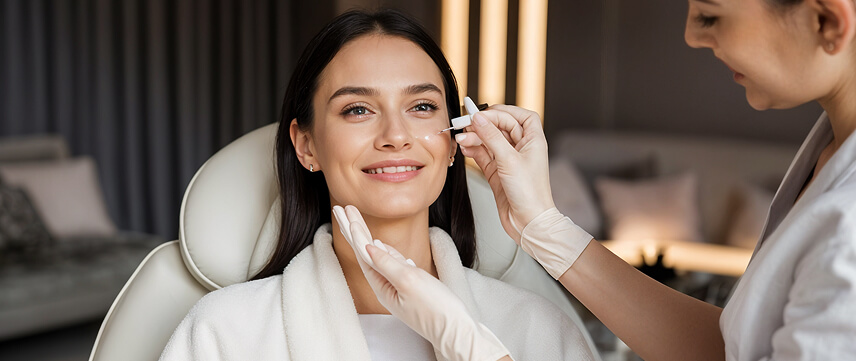
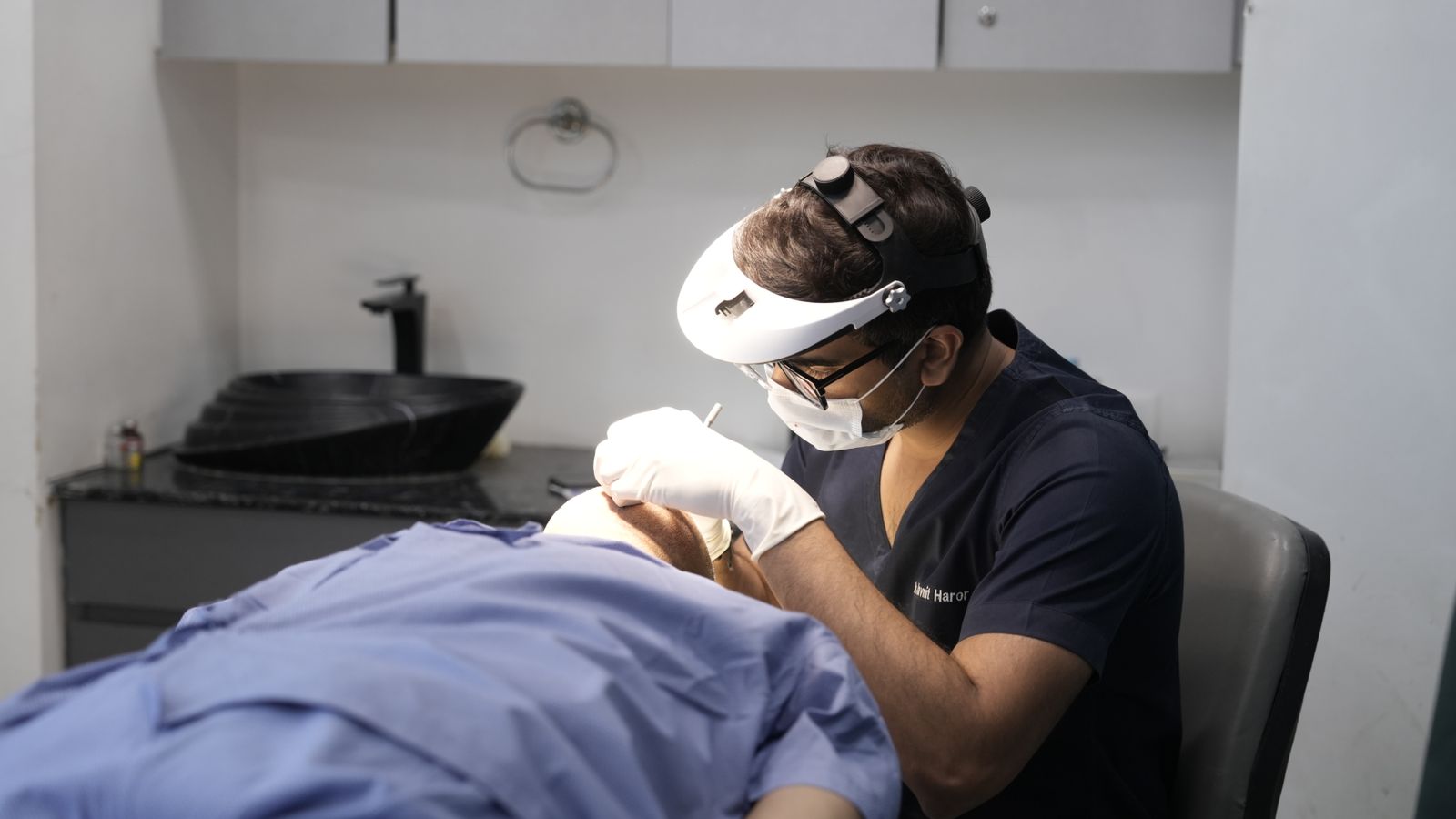
Some skin problems don’t respond to skincare because they don’t live at the surface. Melasma sits deep in the dermis. Broken capillaries are a vascular issue. Acne scars are structural. For these, creams are a polite suggestion — lasers are an instruction. Cosmetic and laser dermatology is where medical precision meets aesthetic goals.
Every laser emits a specific wavelength, and each wavelength is absorbed by a specific target: melanin in a dark spot, haemoglobin in a red vessel, water in the skin for resurfacing. That selectivity means a laser can destroy a pigment cluster while leaving the surrounding skin untouched — something no topical product can do. Choosing the right wavelength, energy, and pulse for your skin tone and concern is the entire craft, and it’s why laser treatment belongs in a dermatology clinic rather than a beauty salon.
Pigmentation and melasma. Redness, rosacea, and visible capillaries. Acne scars and enlarged pores. Sun damage and uneven tone. Fine lines and texture through fractional resurfacing. At your consultation, a dermatologist examines your skin — often under diagnostic light — identifies exactly what your concern is made of, and matches it to the correct platform. Sometimes the answer is a laser course; sometimes it’s peels or medication first, laser second. Diagnosis leads, technology follows.
Most laser sessions take 15 to 45 minutes. Downtime ranges from none (vascular and gentle pigment treatments) to a few days of redness and micro-crusting (fractional resurfacing). Pigment concerns typically need three to six sessions spaced a month apart; redness often improves within one or two. We photograph before every session, because gradual improvements deserve proof.
A laser is only as safe as the diagnosis behind it — melasma treated with the wrong device gets darker, not lighter. At Dermax Medical Center every laser plan is set by a dermatologist after clinical assessment, with device settings calibrated to your skin tone and rechecked at every session. Certified platforms, documented parameters, honest expectations. Powerful tools, used the way they were designed to be used.
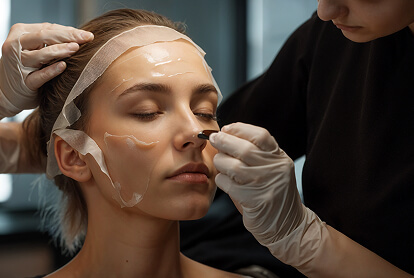

If a stubborn spot, persistent redness, or old scarring has outlasted every cream you’ve tried, it’s time for a stronger answer. Book a laser dermatology consultation at Dermax Medical Center in Dubai and find out which technology actually fits your skin.
Melasma is managed, not permanently cured — hormones and sunlight keep pushing it back. The realistic goal is major clearing with lasers, peels, and pigment-regulating skincare, then maintenance to keep it away. Patients who follow the maintenance plan often stay clear for years; sun protection is the non-negotiable part.
Yes — with the right devices and settings. Darker skin absorbs more laser energy, so it needs longer wavelengths and adapted parameters to treat safely. Our dermatologists set protocols by Fitzpatrick skin type, which is exactly the assessment a salon can't give you.
Redness and vascular concerns: often one to three. Pigmentation: usually three to six, a month apart. Acne scar resurfacing: three to five depending on depth. You'll get a projected number at consultation, and progress photos let us both verify it's on track.
Most treatments feel like warm snaps against the skin — brief and tolerable, with cooling built into modern devices. Fractional resurfacing is more intense, so we use topical numbing beforehand. Discomfort ends when the session does; residual warmth fades within hours.
Two to five days of redness and fine crusting, similar to a strong sunburn that heals fast. Makeup can usually be worn from day two or three. We schedule resurfacing around your calendar — many patients book Thursday sessions and return to work Sunday.
Usually one of three reasons: wrong device for the diagnosis, energy set too cautiously to matter, or a pigment problem that needed medication alongside the laser. Bring your history — knowing what didn't work and why is genuinely useful diagnostic information for planning what will.

Dermax Medical Center, your premier destination for medical, health, and aesthetic care in Dubai
DermaX Medical Center © 2026 All Rights Reserved. | Made with ♥ by BAYREZ
WhatsApp us