Most skin lesions are harmless passengers — but “most” is doing quiet work in that sentence. The mole that changed shade last year. The cyst that keeps refilling. The rough patch that bleeds when towelled. Surgical dermatology is where these questions get definitive answers: precise removal, proper laboratory analysis, and repairs planned to heal as discreetly as possible.
Moles, cysts, lipomas, skin tags, warts, and suspicious lesions of every kind. The non-negotiable step is what happens after removal: anything with diagnostic significance goes to histopathology. Most results confirm what the dermatoscope suggested — benign. But the minority that don’t are exactly why removal belongs in a dermatology clinic rather than a beauty salon: caught early, even skin cancers are among the most curable of all cancers, with excision alone often being the complete cure.
Not everything needs a scalpel. Shave excision flattens raised benign moles with no sutures. Curettage and cautery handle certain superficial lesions. Full surgical excision — margins included — is the standard for anything suspicious. Cysts come out with their capsule, because leaving it behind is how they return. Every removal is planned along natural skin tension lines, with closure sized to the site — from fine sutures to small local flaps on the face where appearance matters most.
Most procedures take 20 to 40 minutes under local anaesthesia — you’re comfortable, awake, and back to your day immediately, with only sensible wound-care instructions between you and normal life. Sutures come out at five to fourteen days depending on the site. Histology results arrive within days, and you’ll hear them from us either way — no news is not our policy.
Skin surgery has two halves: removing the lesion safely and completely, and leaving behind the least possible evidence. Our dermatologists assess every lesion under dermoscopy before deciding technique, send tissue for analysis as a rule, and close wounds with the care of people who know the scar is what you’ll live with. Same clinic, same doctor, from first look to final result — with our plastic surgery team alongside for complex reconstruction.

If a mole, cyst, or lesion has been on your mind — or on your skin longer than it should — book a surgical dermatology consultation at Dermax Medical Center in Dubai. A ten-minute dermoscopy exam is how peace of mind starts.
Every removal leaves some mark; technique decides how visible. Shave excisions often heal to nearly nothing. Full excisions leave a fine line placed along natural skin creases, fading over months. On the face we use the finest closure methods available — most patients report people can't find the site a year later.
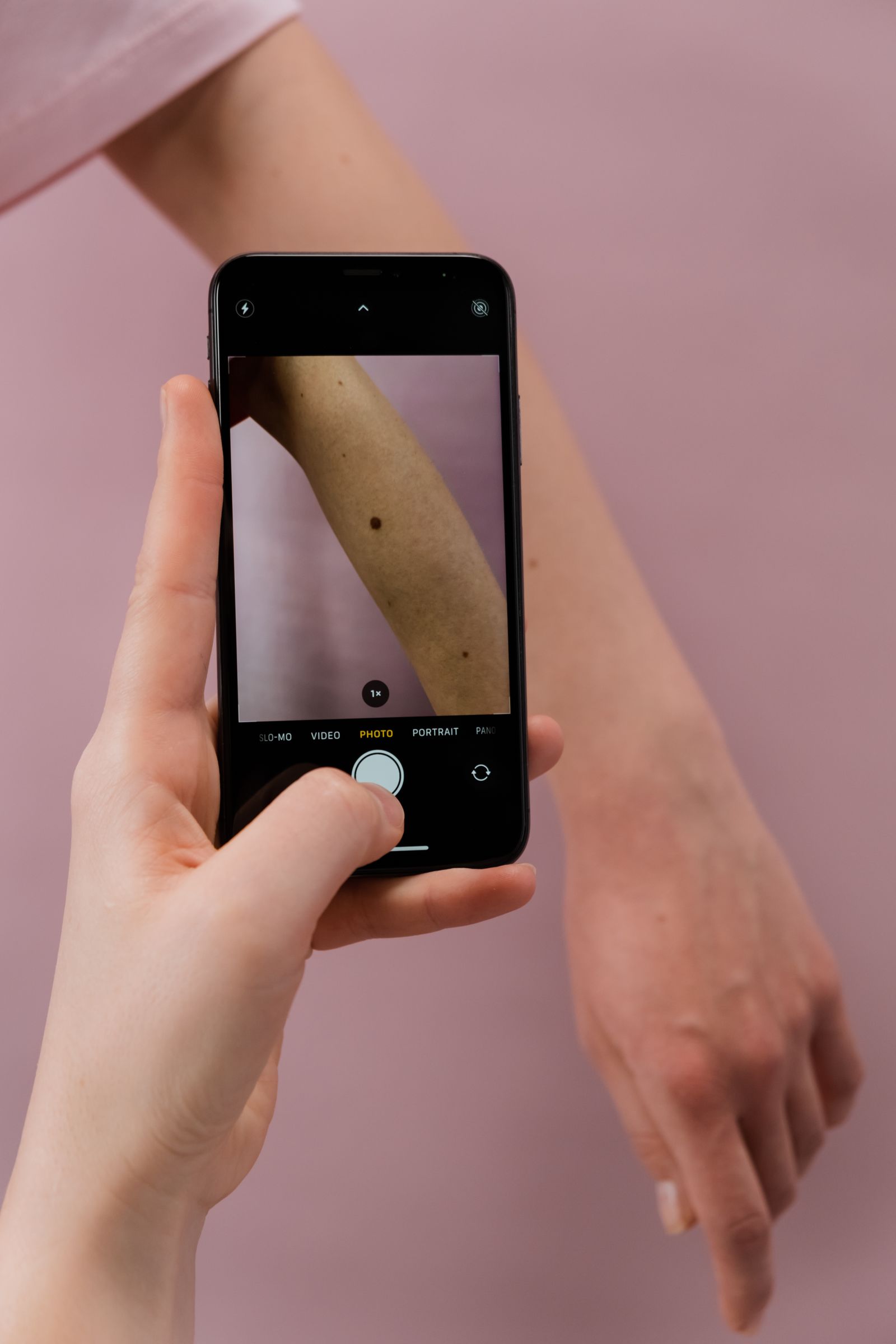
Watch the ABCDEs: Asymmetry, irregular Borders, multiple Colours, Diameter growth, and Evolution — any change in size, shape, shade, or behaviour like itching or bleeding. Any of these earns a dermoscopy exam promptly. Most checked moles are innocent; the exam exists for the ones that aren't.
Anything diagnostically significant goes to histopathology, where a pathologist examines it microscopically. Results return within days and you hear them from us directly — benign findings close the chapter; anything needing further margin or treatment gets planned immediately. Removal without analysis answers nothing, which is why we don't skip it.
Because previous treatment drained it without removing the capsule — the sac that manufactures the contents. Definitive treatment excises the entire capsule through a small incision, ideally when the cyst is quiet rather than inflamed. Done properly, that cyst's story ends there.
The local anaesthetic injection stings for a few seconds — that's genuinely the worst moment. The procedure itself is painless, you're comfortable throughout, and the site is typically only mildly tender for a day or two afterwards. Most patients drive themselves home.
First: caught early, most skin cancers are highly curable — frequently by the excision that diagnosed them. If margins need widening or further treatment is indicated, we plan it immediately and walk you through every step. The dangerous version of this story is the lesion that never got checked, not the one that did.

Dermax Medical Center, your premier destination for medical, health, and aesthetic care in Dubai
DermaX Medical Center © 2026 All Rights Reserved. | Made with ♥ by BAYREZ
WhatsApp us